
Barog
Solan, Himachal Pradesh, India
Nearby attractions

Kasauli
Kasauli, Himachal Pradesh
A cantonment time-capsule of gabled cottages, the Christ Church bell and Monkey Point's plains-to-peaks panorama — Khushwant Singh's beloved ridge.

Kali Mata Mandir, Kalka
Kalka, Haryana
The goddess who named the Shimla gateway town — a hill-foot shrine of Bengal-style curves at the very first milepost of the UNESCO toy-train climb.
Chail
Chail, Himachal Pradesh
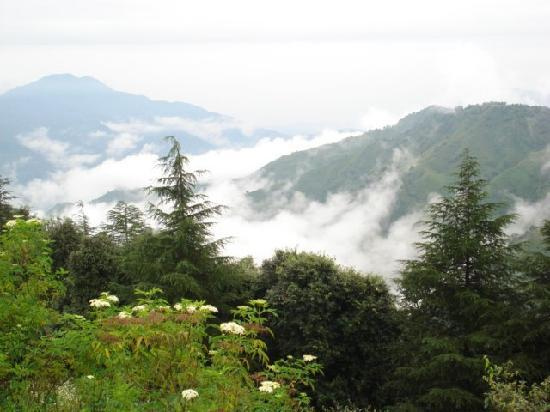
The Maharaja of Patiala's exile-built retreat — the world's highest cricket ground, a palace hotel in deodar mist and sanctuary walks.

Pinjore (Yadavindra) Gardens
Panchkula, Haryana
A 17th-century Mughal char-bagh falling in seven terraces — Fidai Khan's palaces over water-channels, mango groves and a night-lit fountain walk.

Ramgarh Fort, Panchkula
Panchkula, Haryana
A 360-year-old Chandel rajput fort on the Morni road, restored as a heritage stay of ramparts, cannon terraces and Shivalik sunsets.

Morni Hills
Haryana
Haryana's only hill station — pine-clad Shivalik ridges at 1,220 m with the twin Tikkar Tal lakes, adventure parks, trekking paths and Chandigarh's favourite sunset drives, quietly scenic and blissfully uncrowded.

Kalka–Shimla Toy Train
Shimla, Himachal Pradesh
The UNESCO mountain railway — 96 km, 102 tunnels and 864 bridges of narrow-gauge theatre climbing from Kalka's plains to Shimla's deodars.

Chandi Mandir, Panchkula
Panchkula, Haryana
The war-goddess shrine that named Chandigarh itself — an old Shivalik-foot temple of Chandi between the tricity and the hills.

Nada Sahib Gurudwara
Panchkula, Haryana
The Ghaggar-bank shrine where Guru Gobind Singh rested en route from Paonta to Anandpur — white domes against the first blue rise of the Shivaliks.