
Chabimura
Amarpur, Tripura, India
Nearby attractions

Amar Sagar Amarpur
Amarpur, Tripura
Maharaja Amar Manikya's 16th-century tank beside the Gomati at Amarpur, the town both king and dighi named.

Gumti Wildlife Sanctuary
Amarpur, Tripura
230 sq km of hill forest around the Gumti reservoir — elephants, sambar and hornbills in Tripura's largest protected wilderness.

Bhubaneswari Temple Udaipur
Udaipur, Tripura
The 17th-century Gomati-bank temple immortalised by Tagore's play 'Visarjan' and novel 'Rajarshi' — riverside ruins full of literary ghosts.

Kalyan Sagar
Udaipur, Tripura
The sacred tank beside Tripura Sundari temple where giant softshell turtles and fish rise to pilgrims' puffed rice — netting forbidden for 500 years.

Tripura Sundari Temple
Udaipur, Tripura
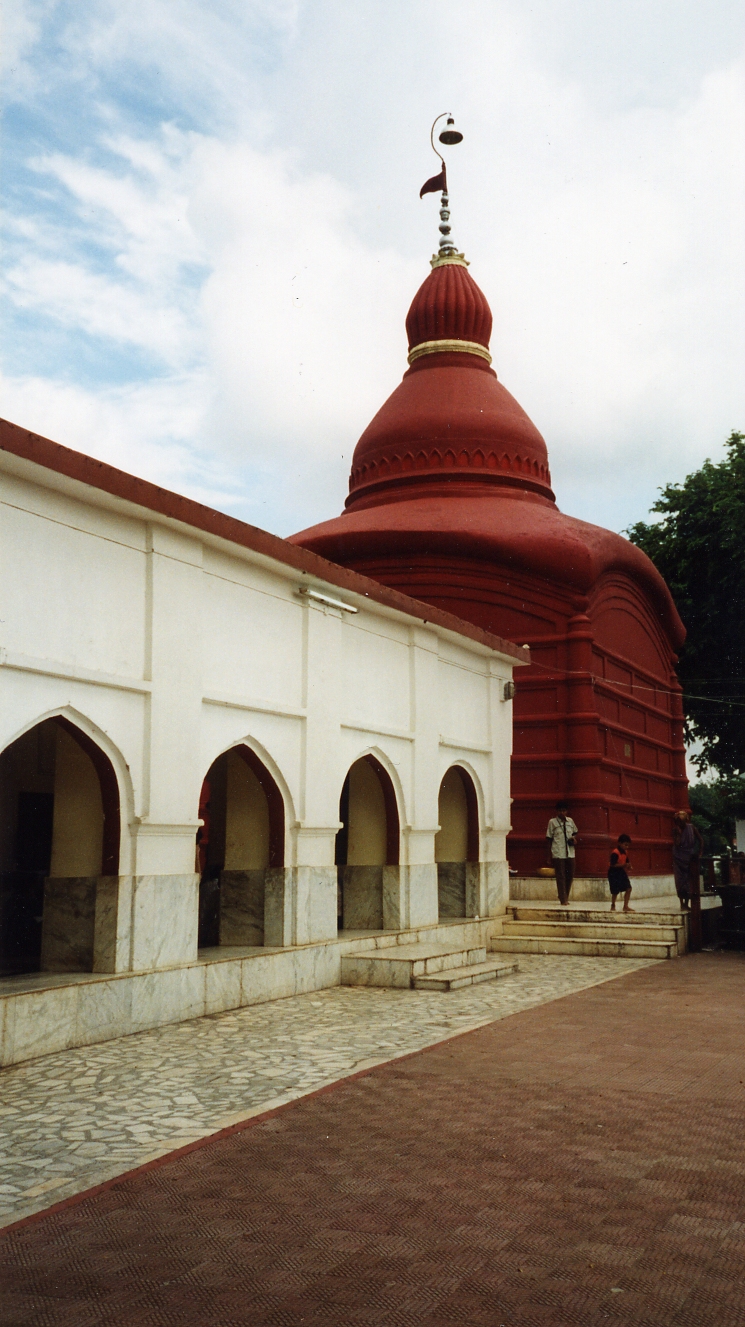
One of the 51 Shakti Peethas — where Sati's right foot fell — the 1501 'Matabari' whose kurma-shaped mound gives the goddess her turtle-back shrine.
Gunabati Temple Group
Udaipur, Tripura
Three brick temples of 1668 raised by Maharani Gunabati — Bengal-style char-chala shrines in Udaipur's old temple town.

Jagannath Dighi Udaipur
Udaipur, Tripura
One of Udaipur's great royal tanks (17th century), fronted by the ruined Jagannath temple — the 'lake city' of Tripura at its calmest.

Mahadeb Dighi
Udaipur, Tripura
Another of old Rangamati's royal tanks, part of the chain of dighis that earned Udaipur its 'city of lakes' name under the Manikya kings.

Tepania Eco Park
Udaipur, Tripura
A forest eco park on the Udaipur road with hanging bridges, treehouses and orchid trails through moist deciduous woodland.

Pilak Archaeological Site
Santirbazar, Tripura
Terracotta plaques, rock-cut deities and stupa mounds of the 8th–12th centuries where Buddhist and Hindu art met on the Samatata trade route.