
Pul Kanjri
Amritsar, Punjab, India
Nearby attractions

Wagah Border Ceremony
Punjab
Every sunset at the India–Pakistan border near Amritsar, BSF jawans and Pakistan Rangers face off in a thunderous, high-kicking Beating Retreat — flags lowered in perfect sync while packed grandstands roar on both sides. Part military precision, part theatre, wholly electric.

Ram Tirath Temple
Amritsar, Punjab
Valmiki's ashram-tirtha where legend places Luv and Kush's birth — a grand new gold-domed Valmiki temple beside the ancient tank.

Khalsa College Amritsar
Amritsar, Punjab
The 1892 Indo-Saracenic masterpiece of Sikh education — a domed sandstone façade so grand it stars in half of Punjabi cinema.

Gobindgarh Fort
Amritsar, Punjab
Maharaja Ranjit Singh's city fort where the Koh-i-Noor was once vaulted — now a live-museum of Sikh martial history, 7D shows and Punjabi food courts.

Durgiana Temple
Amritsar, Punjab
The 'Silver Temple' — a Lakshmi-Narayan shrine mirroring the Golden Temple's sarovar design, its carved silver doors glowing over holy water.

Golden Temple
Amritsar, Punjab
Sri Harmandir Sahib floats on its sacred pool in a shimmer of gold — Sikhism's holiest shrine, ringed by white marble parikrama and open to every human being. The world's largest free kitchen serves langar to up to 100,000 people a day, and the temple glowing over the Amrit Sarovar at night is one of India's great sights.
Gurudwara Baba Atal
Amritsar, Punjab
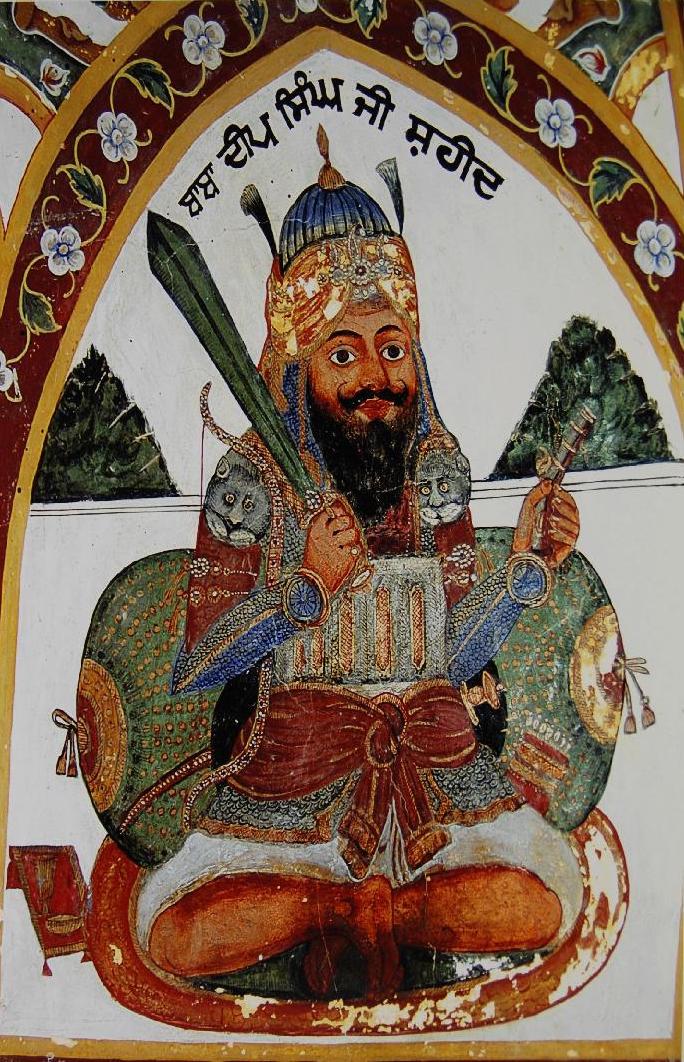
A nine-storey octagonal tower — Amritsar's tallest old building — honouring Guru Hargobind's son Atal Rai, with rare Sikh murals inside.

Partition Museum Amritsar
Amritsar, Punjab
The world's first Partition museum, in the Town Hall — oral histories, refugee objects and the Tree of Hope telling 1947's fourteen million stories.